Week 1 — Introduction
IAT 461 / 882 · Data Science for Human-Centered Systems · Summer 2026
Welcome
IAT 461 — data science methods for systems where people matter
Source deck adapted from introductory materials by Marek Hatala (IAT 461, Summer 2025).
Today
- Teaching team
- Get to know each other
- What is data science here?
- Learning objectives & prerequisites
- Lectures, labs, expectations
- Assignments, quizzes, project (high level — syllabus is canonical)
- Time expectations & readings
A bit about us
Alireza
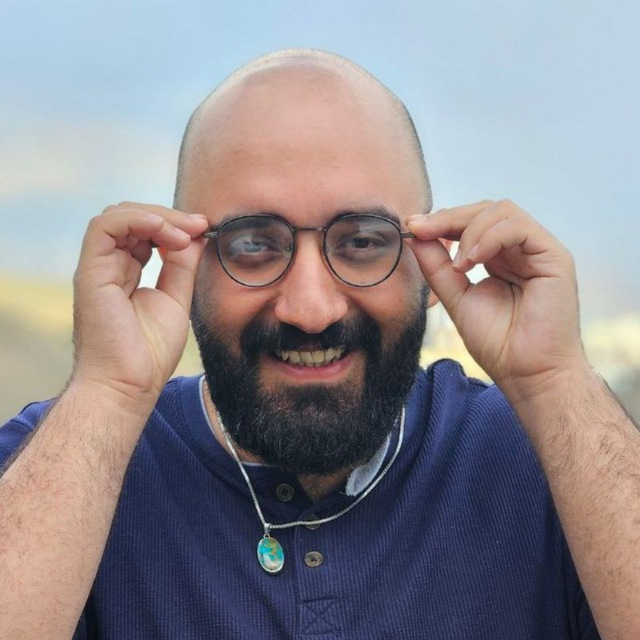
Alireza
- Immigrant from Iran
- Studied Urban Planning and Design
- Moved to Chicago and studied Urban Planning
- Worked as a planner for a little bit
- Then moved to Charlotte and studied computational design (architecture + CS)
- Then did my PhD in Human-Computer Interaction
- Was a researcher for a bit at Northwestern University
- Then worked at IDEO
- Now at SFU
Alireza
- I listen to music all the time (Can you guess my favorite band?)
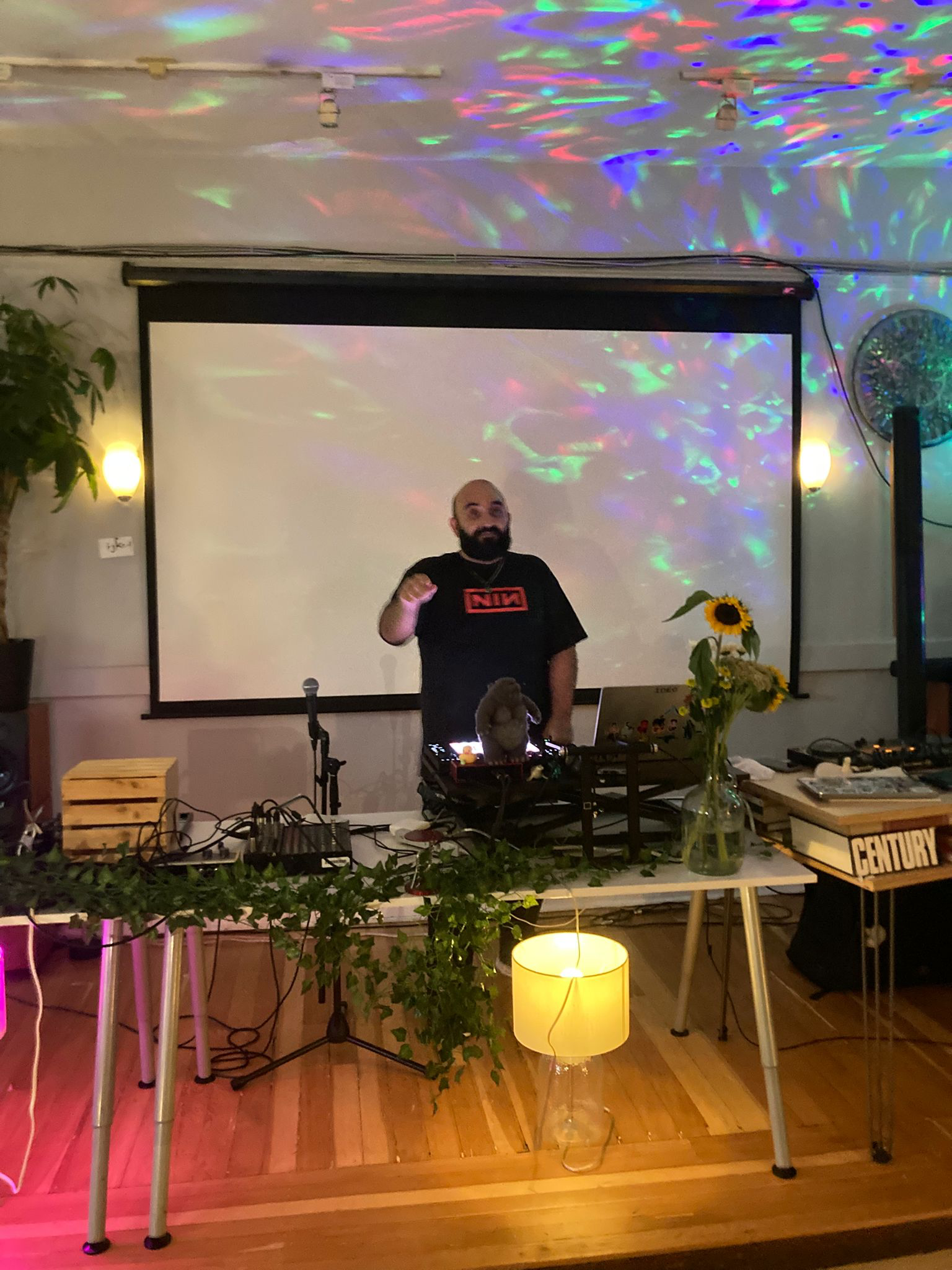
- I’m learning how to produce music (Just had my first show)
- I play video games when I get the chance
- Watch anime and read manga
- I watch a lot of movies
- I think about politics and social issues a lot
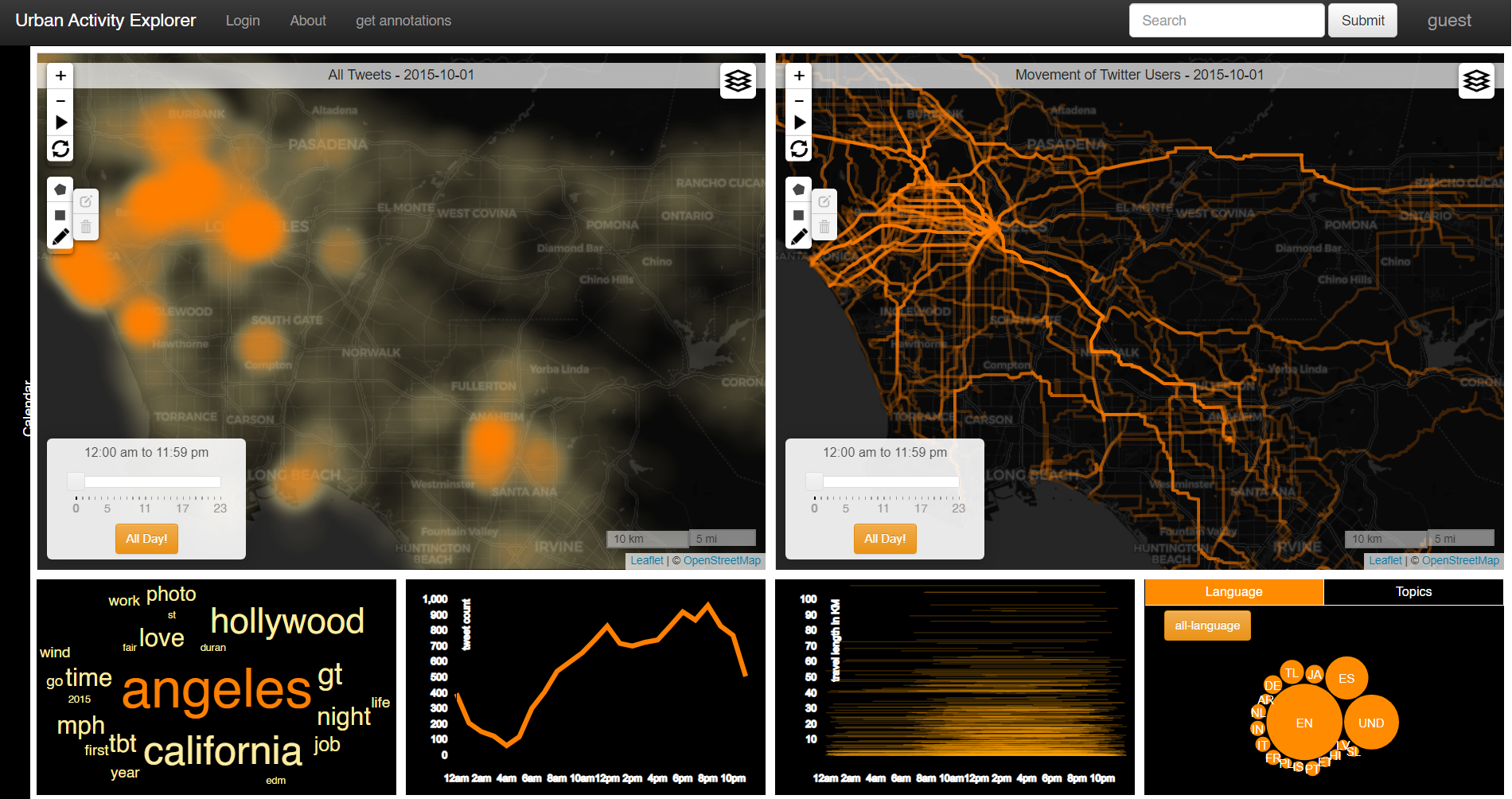
Research Overview
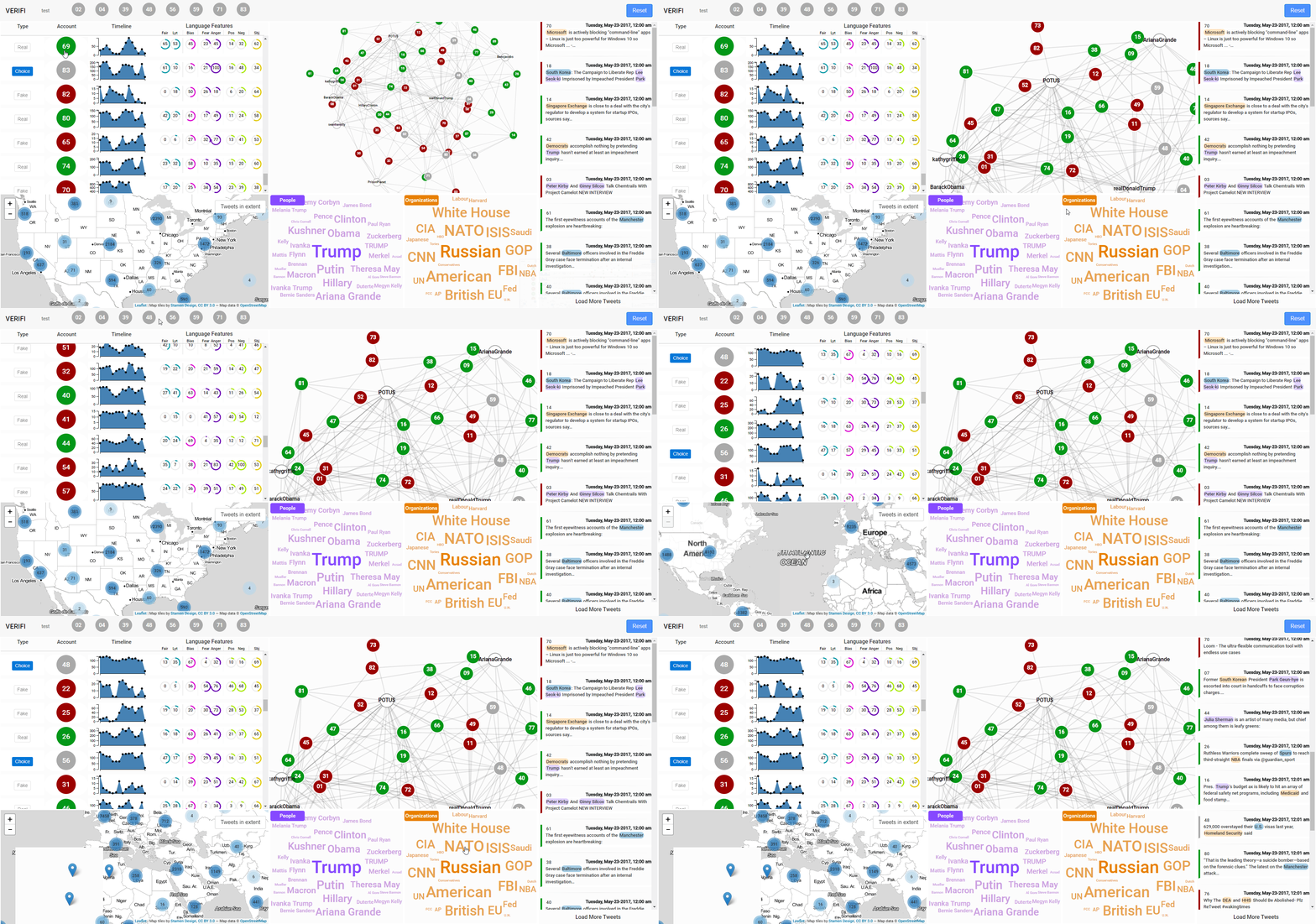
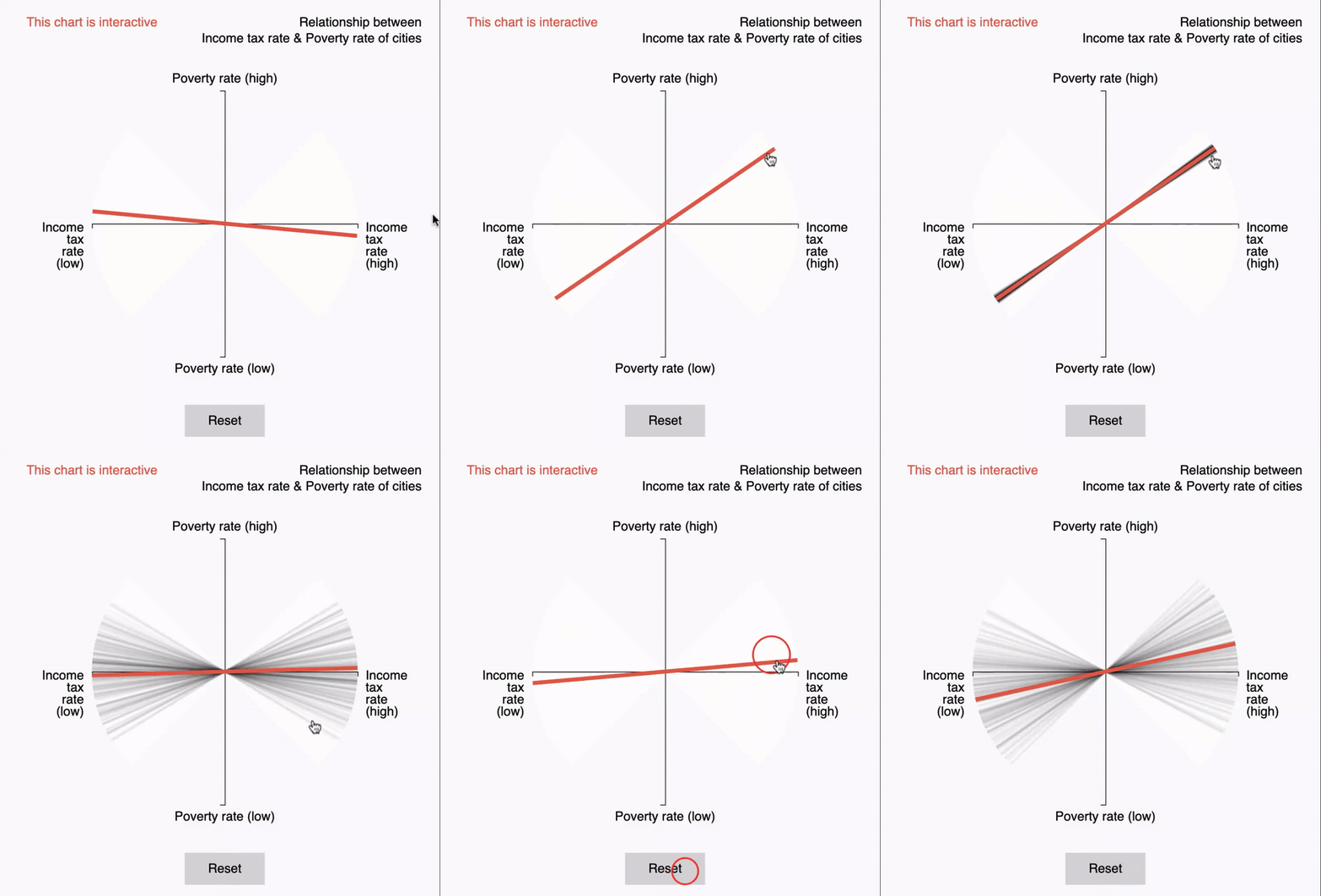
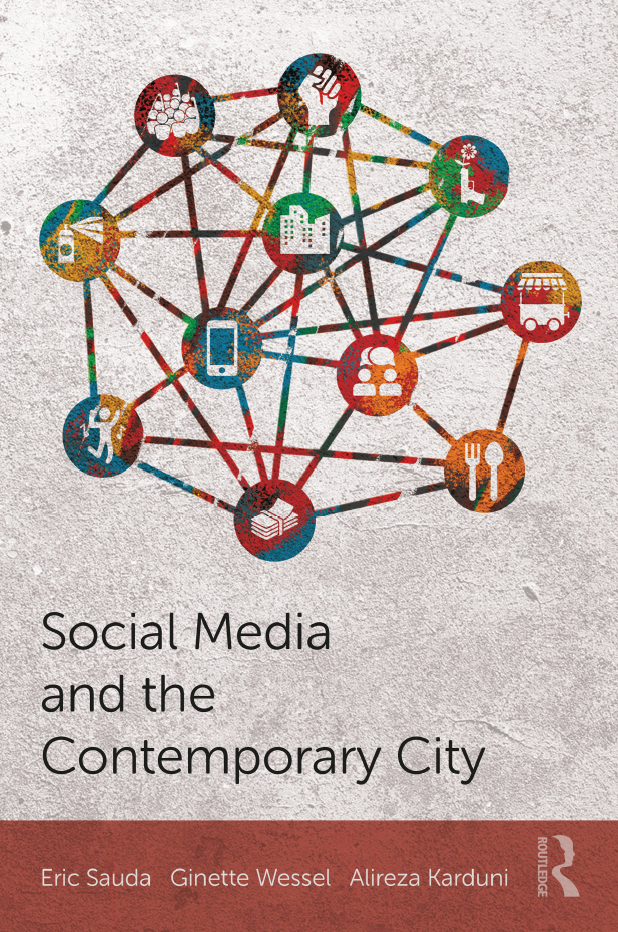

TA: Matthew (Mehdi) Jahani
- Master’s student from Iran :)
- Studied computer engineering at University of Tehran
- ACM student society vice chair
- Best bachelor’s thesis (software verification)
- I soon realized computers alone are too dull so began exploring:
- Marketing and media specialist
- Backend developer
- Product manager
- Event organizer
- Here to understand how people make decisions in interaction with AI (focusing on mental health)
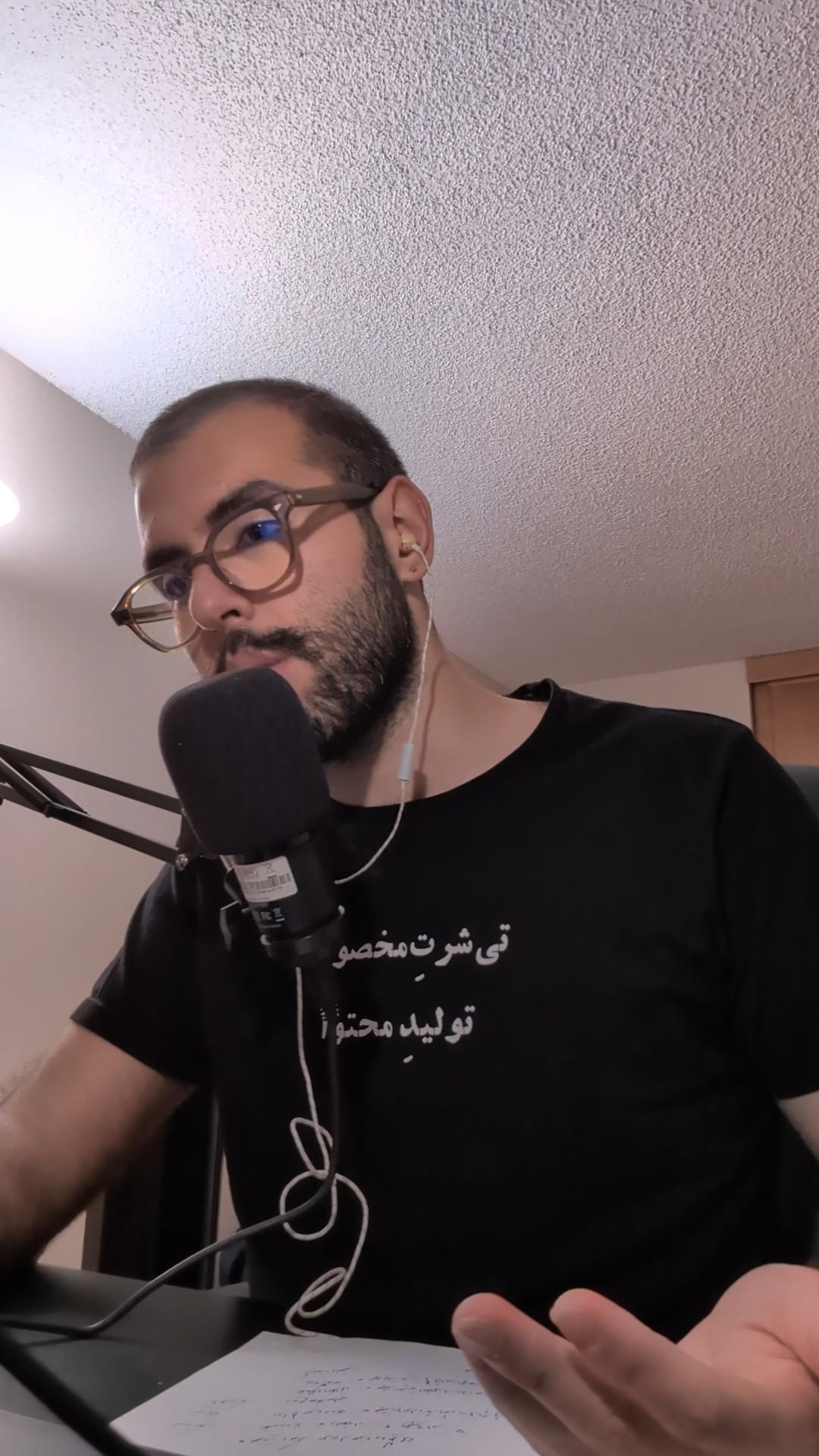
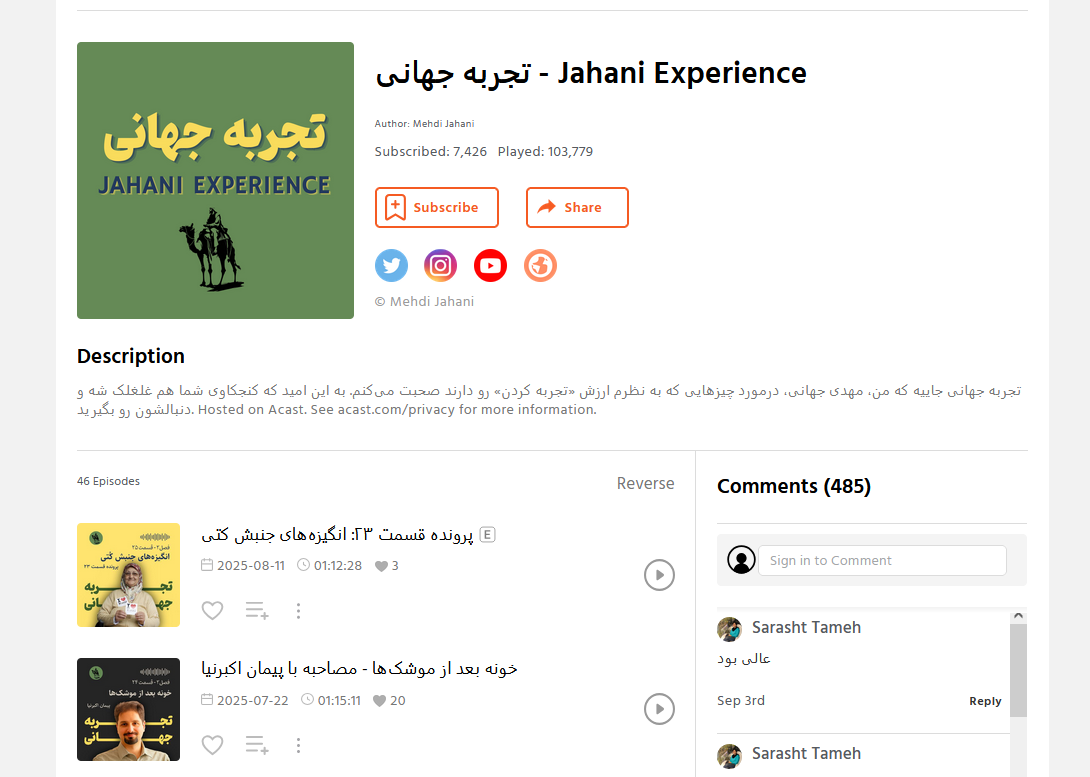
- I host a podcast about depression and anxiety (in Farsi)
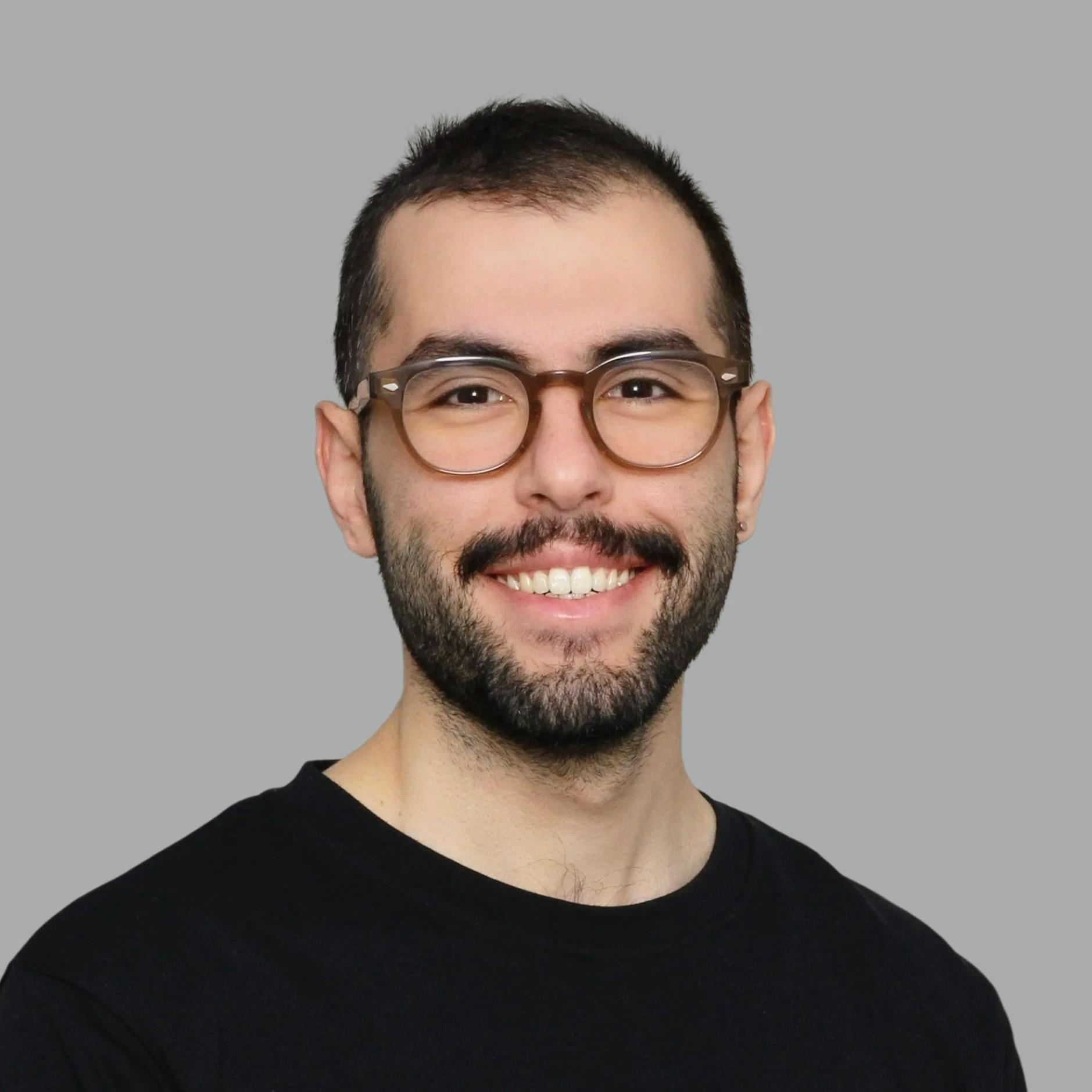
TA: Matthew (Mehdi) Jahani
Let’s hear from you on Discord
- Your name
- Something about yourself
So what is data science?
What is data science? (1 of 3)
- Data science is about insight, not just algorithms
- We use data to answer questions and make sense of behaviour in context
- It builds on statistics — but often deals with messy, repurposed data, not tidy experiments
What is data science? (2 of 3)
- Design and data are intertwined in interactive and human-centred systems
- What we measure depends on what we built and how people encounter it
- Real-world data is often indirect: proxies, logs, traces — interpret carefully
What is data science? (3 of 3)
- We work with many data types: structured / unstructured, quantitative / categorical
- Common modelling goals include prediction: classification (labels) and regression (values)
- This course emphasizes human-centred framing throughout that pipeline
Data Science is about asking questions
What types of questions????
Data Science isn’t just about algorithms and BIG data; it is a toolkit for understanding asking questions from data, usually about human behavior, and finding insights.
Over the next 13 weeks, we will answer five core questions.
The Observer
What can we see in the patterns of how people play Slay the Spire 2 over time? What does it mean?
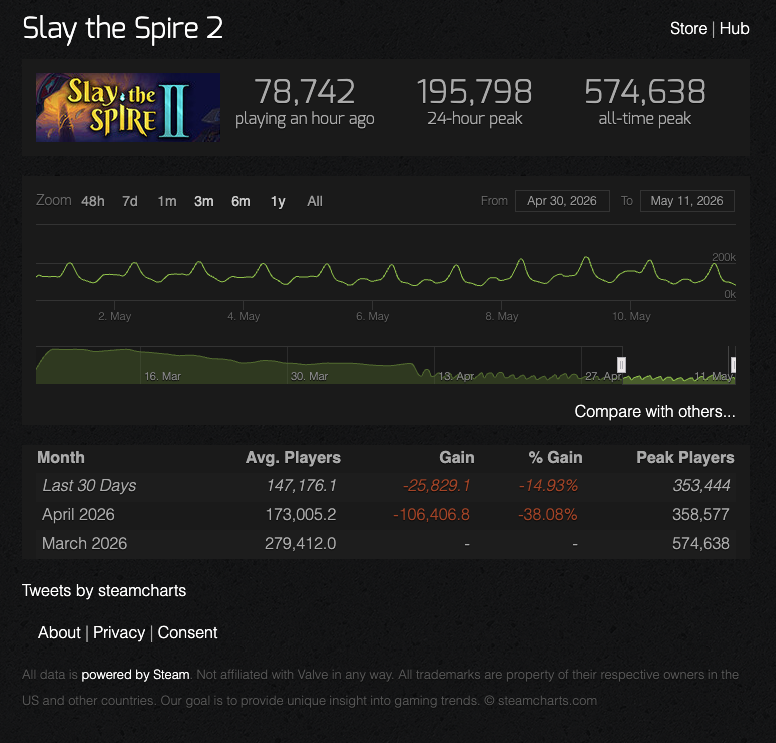
1. The Observer
“What can I see in the data, and what”hunches” does it give me about human behavior?“
We learn to observe the data
- Concepts: Exploratory Data Analysis (EDA), Data Wrangling, Imputation, Distributions.
- Methods: Vectorization, Indexing, Filtering, Visual Storytelling.
- Tech Stack:
Python,pandasDataFrames,numpyarrays,seaborn. - Timeline: Weeks 1–4.
The Scientist
What would a psychologist want to ask from how people use youtube videos, how would that help youtubers?
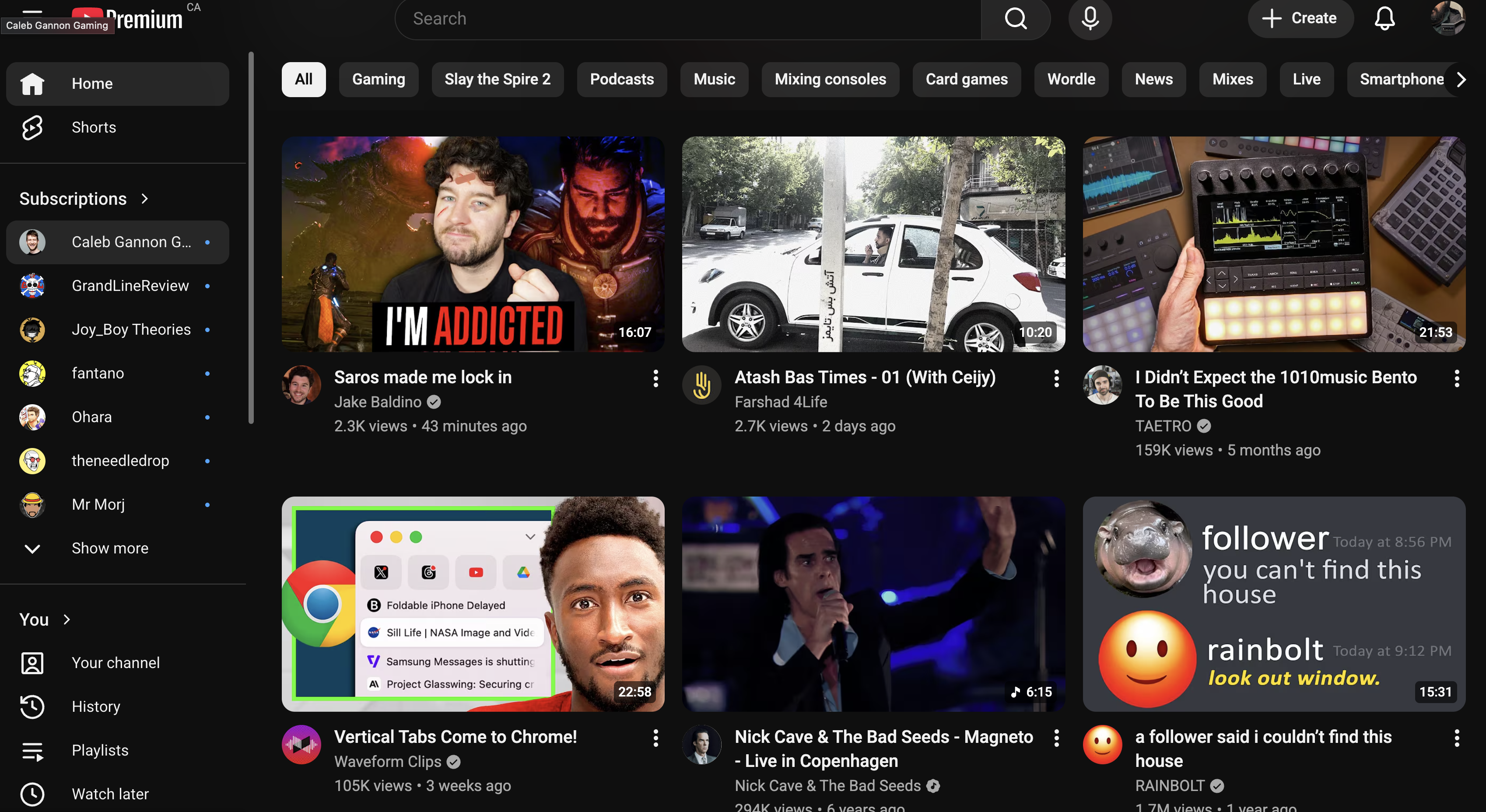
2. The Scientist
“How can I ask good questions? What can I infer from this data, and can I be sure my answers are good and trustworthy?”
What We Will Learn (The Scientist)
- Concepts: The Null Hypothesis, Statistical Significance, Explanatory Modeling.
- Methods: Linear Regression (OLS), T-tests, \(p\)-values, \(\alpha\) thresholds.
- Tech Stack:
statsmodels.api,scipy.stats,sklearn. - Timeline: Week 6.
Example: The Predictor
Can we predict what is the next video that someone will watch and suggest it to them?
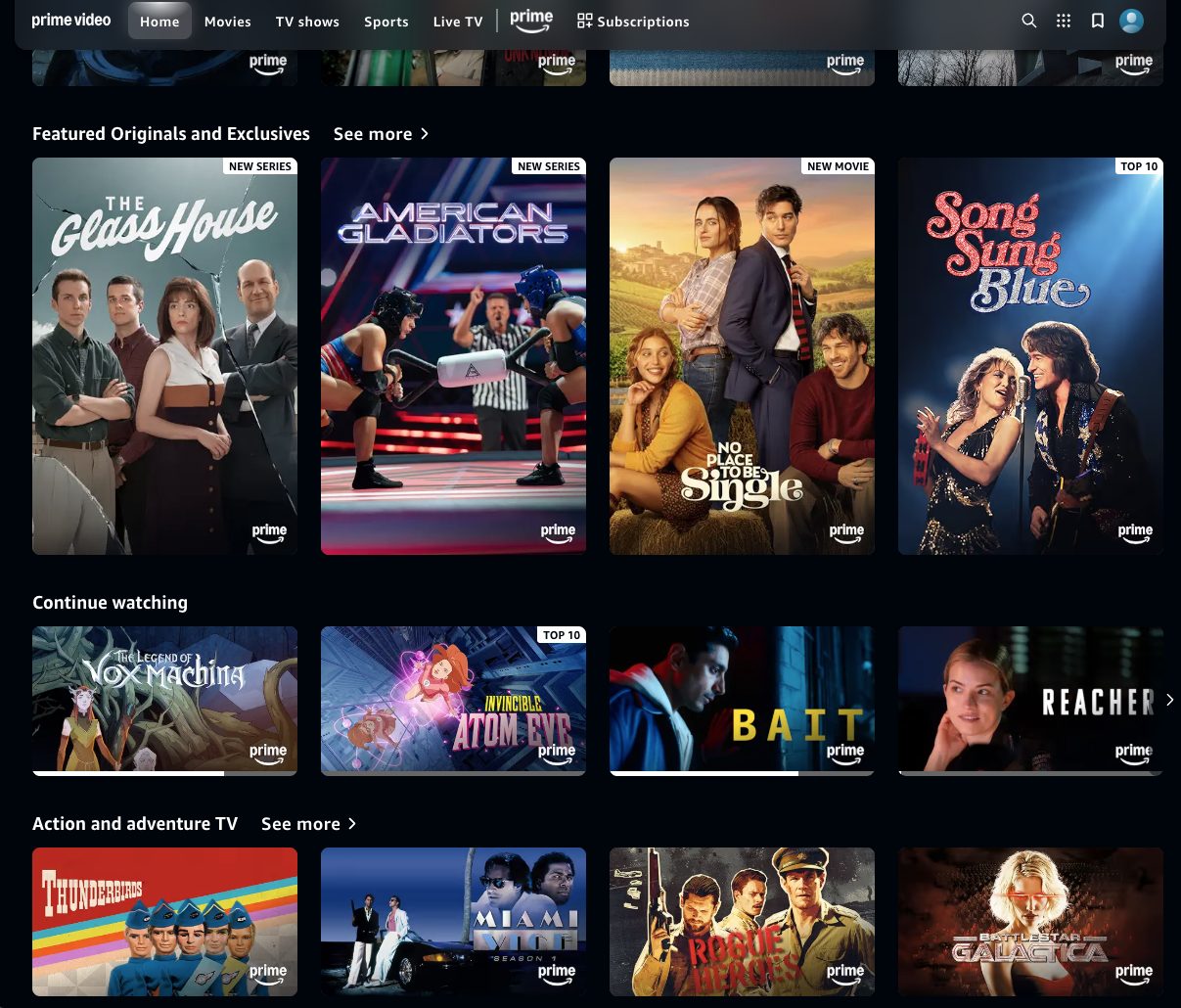
3. The Predictor
“Based on past data, what is likely to happen next?”
What We Will Learn (The Predictor)
- Concepts: Supervised Machine Learning, Classification and Regression.
- Methods: Logistic Regression, Random Forests, Confusion Matrices, Precision, Recall, F1-Score.
- Tech Stack:
sklearn.linear_model,sklearn.metrics,sklearn.ensemble. - Timeline: Week 7.
Example: The Explorer
What different attitudes can we observe on Twitter conversations around AI?
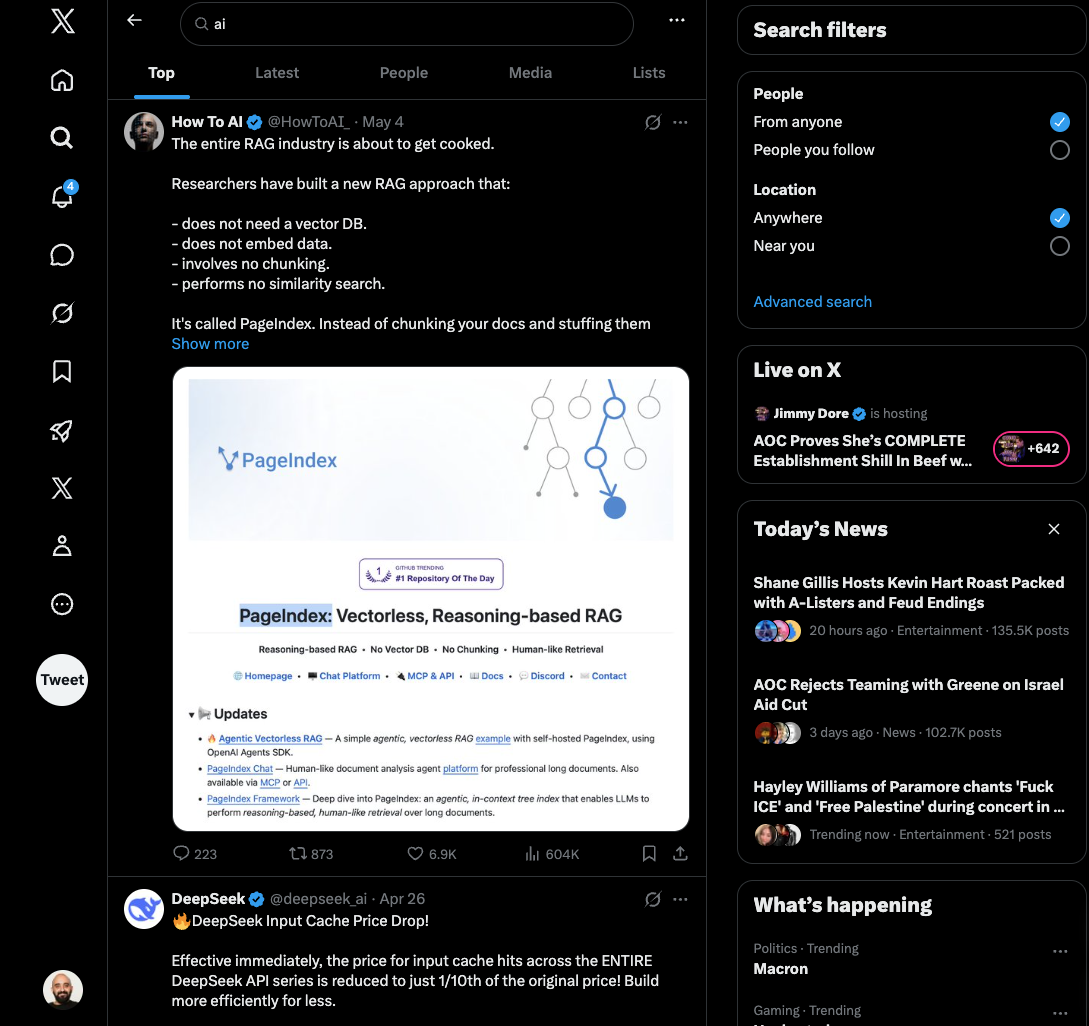
4. The Explorer
“Are there prevalent behavioral patterns observable in complex data? what do they mean?”
What We Will Learn (The Explorer)
- Concepts: Unsupervised Learning, The Geometry of Behavior, Dimensionality Reduction.
- Methods: K-Means Clustering, Principal Component Analysis (PCA), t-SNE.
- Tech Stack:
sklearn.cluster,sklearn.decomposition. - Timeline: Week 8.
Example: The Interpreter
An AI agent reading Twitch messages and flagging them if they use abusive language.
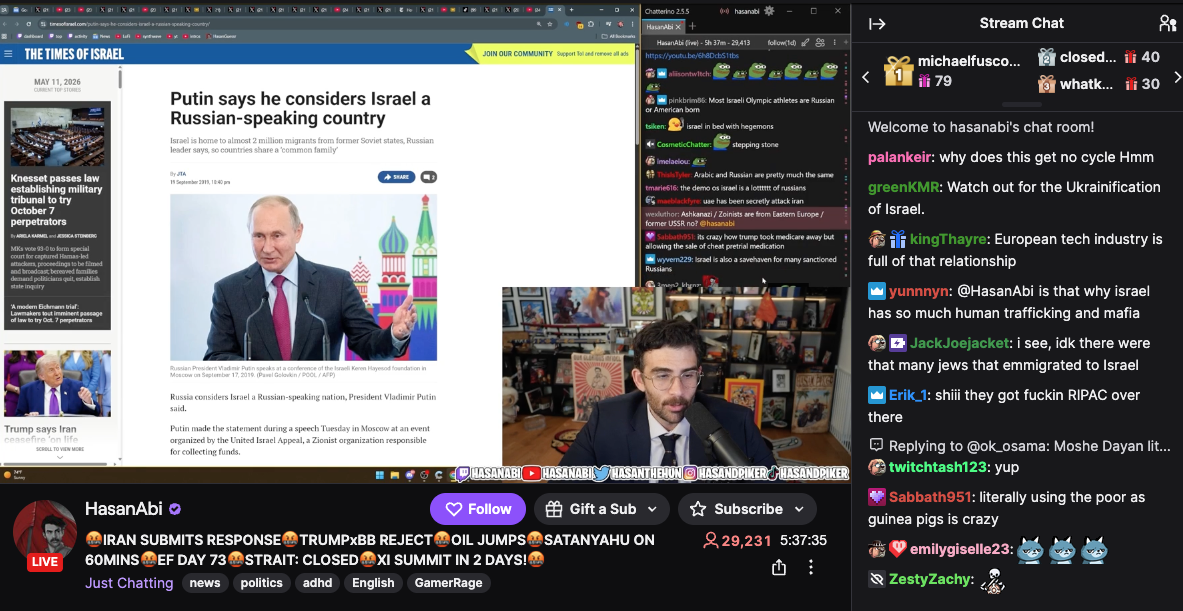
5. The Interpreter
“What are people trying to say, and how do we understand their meaning? how do we act upon it?”
What We Will Learn (The Interpreter)
- Concepts: Modern NLP, Semantic Distance, In-Context Learning, Agentic Systems.
- Methods: Contextual Embeddings, Cosine Similarity, Zero/Few-Shot Inference, Function Calling, RAG.
- Tech Stack: Hugging Face
transformers,BERTopic, LLM APIs (Ollama/OpenAI),streamlit. - Timeline: Weeks 9–12.
OVERALL WHAT WE WILL DO IN THIS COURSE
- Carry the analytics process end-to-end for human-centred systems
- Learn intuition and terminology for methods, data, and evaluation
- Understand types of data and what can go wrong when analysing each
Learning objectives (2 of 2)
- Choose techniques deliberately — know when they fit
- Practice cleaning, features, modelling, interpretation
- Apply core models regression, clustering, trees, forests, genAI, topicModeling, etc)
- Use Python tooling you can carry past this term
Prerequisites — things to review
- Prior stats / ML exposure — we’ll slow down on why, not just how
- Visualization literacy — choosing charts, judging honesty and aesthetics
- Python & notebooks — you’ll extend skills weekly
- Study habits — read before class, take notes, self-test
How this course runs
- Lectures — concepts, connections, motivation; come prepared with questions
- Labs — hands-on practice (your syllabus lists days/times)
- Read before class when assigned — lecture time then clarifies and goes deeper
- Assessments may include in-class quizzes, assignments, projects, and exams, will keep you updated on the course policies page
Expectations (zoom & async)
- Show up on zoom Ask questions and participate in the discussion
- Materials: Watch posted videos or show up to lect ures
- Punctuality & respect: start on time; leave space for questions
- AI policy: follow your published course rule (see course policies page)
Grading — check the syllabus
Official weights live on the course site (Summer 2026 may differ from older outlines).
- assignments, labs/participation, quizzes/midterm, final project, final exam
- Original outline emphasized: must pass combined quizzes/exam at cohort level
Assignments & project — big picture
- Assignments: staged tasks across several weeks — mirror the data-science pipeline
- Goal: hypotheses → strategy → analysis → what next, not “run cells blindly”
- Project: full pipeline; teams vs solo, datasets, and rubrics — your syllabus wins
- AI policy: follow your published course rule (see course policies page)
Time budget (planning)
- Lectures + labs: ~4 hrs/week
- Readings: ~1–3 hrs/week
- Homework / exploration: ~5–7 hrs/week is a reasonable planning estimate
- Track your hours — adjust early if you’re underwater
Text & readings
- Skiena — The Data Science Design Manual — often used as a spine; access via SFU Library / Canvas link when assigned
- Our website WILL show required readings for each week.
- Gaps between chapters are normal — bring questions to class
Thanks — questions?
- Course hub:
/teaching/datascience-hcs - Slides URL:
/teaching/datascience-hcs/slides/week-01/index.html - Contact: akarduni@sfu.ca TA: mehdi_jahani@sfu.ca
IAT 461 · Data Science for Human-Centered Systems · Summer 2026